
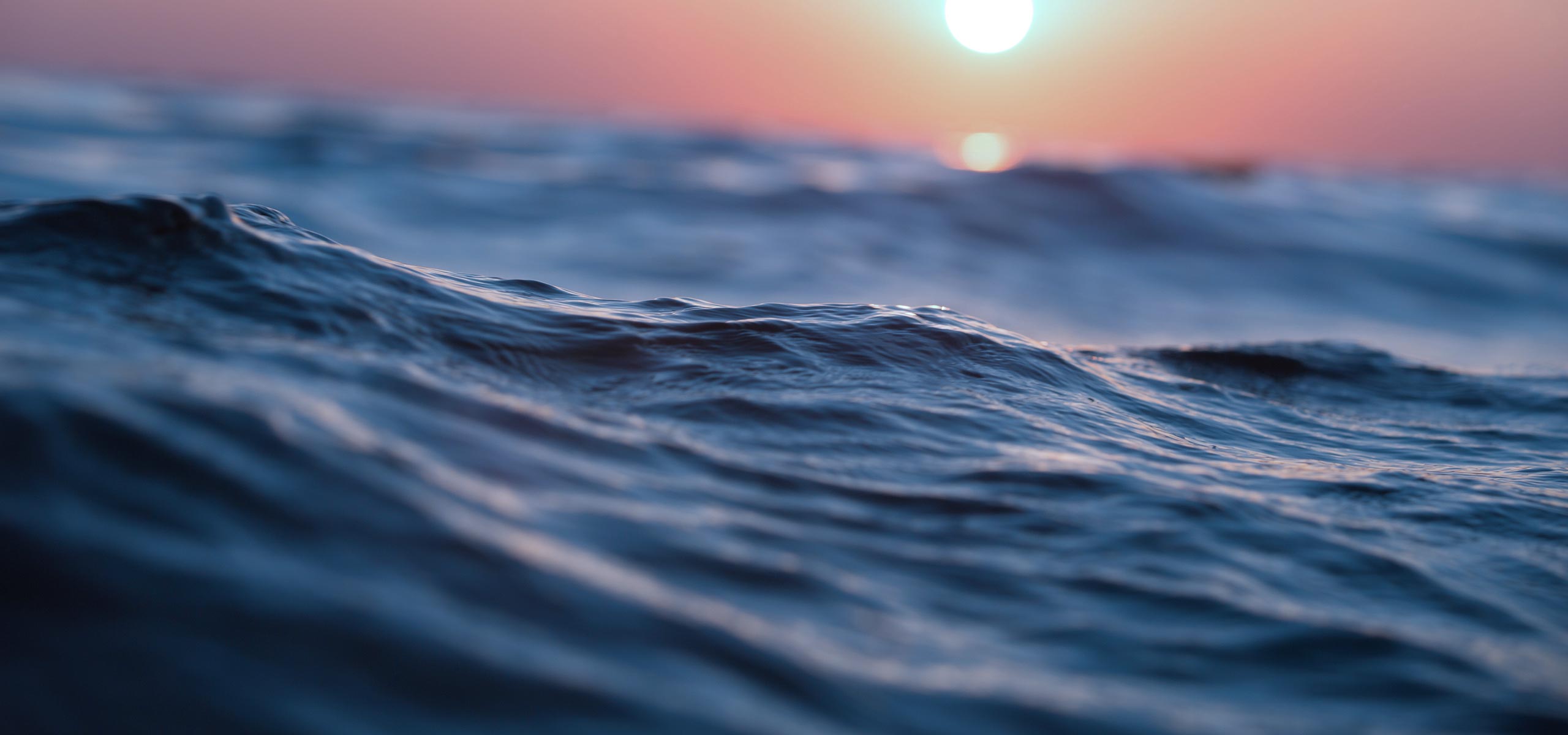
- Genuine moments unfold from seeking the lucky wave and embracing ocean tranquility
- Understanding Wave Formation and Dynamics
- The Role of Seabed Topography
- Essential Equipment for Wave Riding
- Choosing the Right Surfboard
- Safety Considerations in the Ocean Environment
- Rip Current Awareness and Escape
- The Mental Aspect of Wave Riding
- Cultivating a Deep Connection with the Ocean
Genuine moments unfold from seeking the lucky wave and embracing ocean tranquility
The allure of the ocean has captivated humankind for millennia. From ancient mariners navigating by the stars to modern surfers chasing the perfect swell, the sea holds a primal appeal, a promise of adventure, and a profound sense of tranquility. Within this vast expanse of water, the search for the lucky wave becomes more than just a sporting pursuit; it’s a metaphorical quest for a fleeting moment of perfect harmony with nature. It’s about anticipating the energy of the ocean, respecting its power, and ultimately, embracing the exhilarating ride that ensues when wave and rider become one.
This pursuit transcends skill level. Whether a seasoned professional or a beginner tentatively paddling out, the ocean offers a humbling experience. The unpredictable nature of waves demands patience, awareness, and a willingness to accept both triumphs and wipeouts. The anticipation builds with each approaching set, a feeling of heightened alertness and focused energy. It’s this very uncertainty, the possibility of finding that exceptional wave, that keeps drawing people back to the shore, creating a connection to something far larger than themselves. The ocean doesn't offer guarantees, only opportunities for grace, skill and a little bit of luck.
Understanding Wave Formation and Dynamics
Waves aren't simply random surges of water; they are the result of complex physical processes. Most waves are generated by wind transferring energy to the water's surface. The strength of the wind, the duration it blows, and the distance over which it acts – known as the fetch – all contribute to the size and power of the waves. Once formed, these waves travel across the ocean, and their characteristics change as they interact with different water depths and seafloor contours. As waves approach the shore, they slow down and their energy is compressed, causing them to steepen and eventually break. Understanding these dynamics is crucial for any surfer hoping to consistently find rideable waves. Predicting the arrival of swells, knowing how different wind conditions affect wave shape, and reading the subtle signs of the ocean are all skills honed through experience and observation. It's a constant learning process, adapting to the ever-changing conditions and responding to the ocean's mood.
The Role of Seabed Topography
The shape of the seafloor plays a massive role in determining how waves break. Reefs, sandbars, and underwater canyons can all focus or diffract wave energy, creating different types of breaks. Point breaks, formed by waves wrapping around headlands, often offer long, peeling rides. Beach breaks, formed over sandbars, are more dynamic and unpredictable. Reef breaks, formed over coral reefs, can produce powerful, hollow waves that are highly sought after by experienced surfers. Knowing the local topography is essential for finding the best waves in a given area. Charts and local knowledge are invaluable resources, providing insights into the underwater landscape and how it influences wave formation. Successful wave hunting relies on interpreting these factors and visualizing how the waves will interact with the seabed.
| Point Break | Headland or Point | Long, peeling rides; consistent waves |
| Beach Break | Sandbar | Dynamic, unpredictable waves; varying ride length |
| Reef Break | Coral Reef | Powerful, hollow waves; requires local knowledge |
Beyond these general classifications, there exists a virtually limitless variety of breaks, each with its unique personality and challenges. The truly skilled surfer becomes intimately familiar with the nuances of their local spots, learning to anticipate how the waves will behave under different conditions. This intimate understanding is a reward in itself.
Essential Equipment for Wave Riding
While the desire to experience the ocean is the primary driver, having the right equipment significantly enhances the experience. The surfboard is, of course, the most important piece of gear. Surfboard design is incredibly diverse, with variations in length, width, thickness, and tail shape all impacting how the board performs. Beginners typically start with larger, more stable boards that are easier to paddle and catch waves. As skill progresses, surfers often transition to smaller, more maneuverable boards. Beyond the board, a leash is essential for safety, connecting the surfer to the board and preventing it from drifting away after a wipeout. Wetsuits or rashguards provide thermal protection and prevent chafing from the surfboard. Wax, applied to the deck of the board, provides traction. It’s tempting to focus on the latest and greatest equipment, but the best gear is the gear that allows you to maximize your time in the water and enjoy the ride.
Choosing the Right Surfboard
Selecting the appropriate surfboard can be daunting, with so many options available. Several factors should be considered, including the surfer’s skill level, weight, and the type of waves being ridden. Longer boards provide more stability and are easier to paddle, making them ideal for beginners and smaller waves. Shorter boards are more maneuverable and are suited for experienced surfers and larger waves. The board’s volume, a measure of its overall size, also plays a critical role. Higher volume boards provide more buoyancy, making them easier to paddle and catch waves, while lower volume boards are more responsive and allow for more radical maneuvers. It’s often beneficial to consult with a knowledgeable surf shop employee to get personalized recommendations based on individual needs and preferences. Don't hesitate to test different boards before making a purchase, and remember that the perfect board is the one that feels the most comfortable and allows you to perform at your best.
- Paddle Power: A longer, wider board makes paddling easier.
- Stability: Larger boards offer increased stability, crucial for beginners.
- Maneuverability: Shorter boards are more responsive and allow for tighter turns.
- Wave Size: Match the board's size to the typical wave conditions.
Ultimately, the best way to find the right board is through experimentation and gaining experience. Different waves require different boards, and as your skills evolve, so too will your equipment preferences.
Safety Considerations in the Ocean Environment
The ocean, while beautiful and inviting, can also be a dangerous place. Respecting its power and taking appropriate safety precautions is paramount. Always surf within your abilities, and be aware of your limitations. Before entering the water, assess the conditions, including wave height, currents, and potential hazards like rocks or marine life. Never surf alone, and let someone know where you are going and when you expect to return. Learn how to identify and escape rip currents, powerful channels of water flowing away from the shore. Understand basic surf etiquette, such as respecting the priority of surfers already riding a wave. Being aware of your surroundings and anticipating potential dangers can significantly reduce the risk of accidents. Continuous learning and staying informed about ocean conditions are fundamental aspects of safe surfing.
Rip Current Awareness and Escape
Rip currents are a significant hazard for ocean swimmers and surfers. They are narrow, powerful channels of water flowing away from the shore, and they can quickly carry even strong swimmers out to sea. Recognizing a rip current is the first step in avoiding danger. Look for areas where the water is discolored, choppy, or moving rapidly in a different direction from the surrounding waves. If you find yourself caught in a rip current, the most important thing to do is to remain calm and avoid panicking. Do not attempt to swim directly against the current. Instead, swim parallel to the shore until you are out of the current, then swim back to the beach. If you are unable to swim out of the current, float or tread water and signal for help. Understanding how rip currents form and how to escape them is a critical skill for anyone spending time in the ocean.
- Recognize the Signs: Look for discolored or choppy water.
- Stay Calm: Panicking will worsen the situation.
- Swim Parallel: Do not swim directly against the current.
- Signal for Help: If you cannot escape, call for assistance.
Taking a surf rescue course can provide valuable training in identifying and responding to ocean emergencies, empowering you to help yourself and others.
The Mental Aspect of Wave Riding
Beyond the physical skills and equipment, a significant aspect of surfing is the mental game. The ability to remain calm and focused under pressure is crucial for making split-second decisions and executing maneuvers. Developing a strong mental fortitude allows surfers to overcome fear, manage frustration, and maintain a positive attitude even in challenging conditions. Visualization, the practice of mentally rehearsing successful rides, can enhance performance. Mindfulness, the practice of being fully present in the moment, can improve focus and reduce anxiety. The search for the lucky wave can be a meditative experience, fostering a connection with nature and a sense of inner peace. The ability to embrace uncertainty, accept wipeouts as learning opportunities, and maintain a growth mindset are all essential mental qualities for a successful surfer.
Cultivating a Deep Connection with the Ocean
Ultimately, the pursuit of waves transcends the act of riding them. It’s about fostering a deep respect and connection with the ocean environment. This involves understanding the delicate ecosystems that exist within the marine world, respecting marine life, and advocating for ocean conservation. Reducing plastic consumption, supporting sustainable fishing practices, and participating in beach cleanups are all ways to contribute to the health of the ocean. It’s also about appreciating the beauty and power of the ocean, acknowledging its role in regulating the Earth's climate, and recognizing its intrinsic value. When you approach the ocean with humility and gratitude, the rewards extend far beyond the thrill of the ride. It is an understanding that seeking the perfect break is not just about individual achievement, but about becoming a steward of this magnificent natural resource. The ocean, in its vastness and complexity, offers a constant invitation to learn, to grow, and to connect with something far greater than ourselves, and potentially find that elusive, perfect, and truly lucky wave.
The perspective gained from spending time immersed in the marine environment can be transformative, fostering a deeper appreciation for the interconnectedness of life and the importance of environmental stewardship. Supporting organizations dedicated to ocean conservation, participating in citizen science initiatives, and educating others about the challenges facing our oceans are all ways to amplify this impact. The journey to find that perfect wave is, in essence, a journey toward a more sustainable and harmonious relationship with the natural world.