
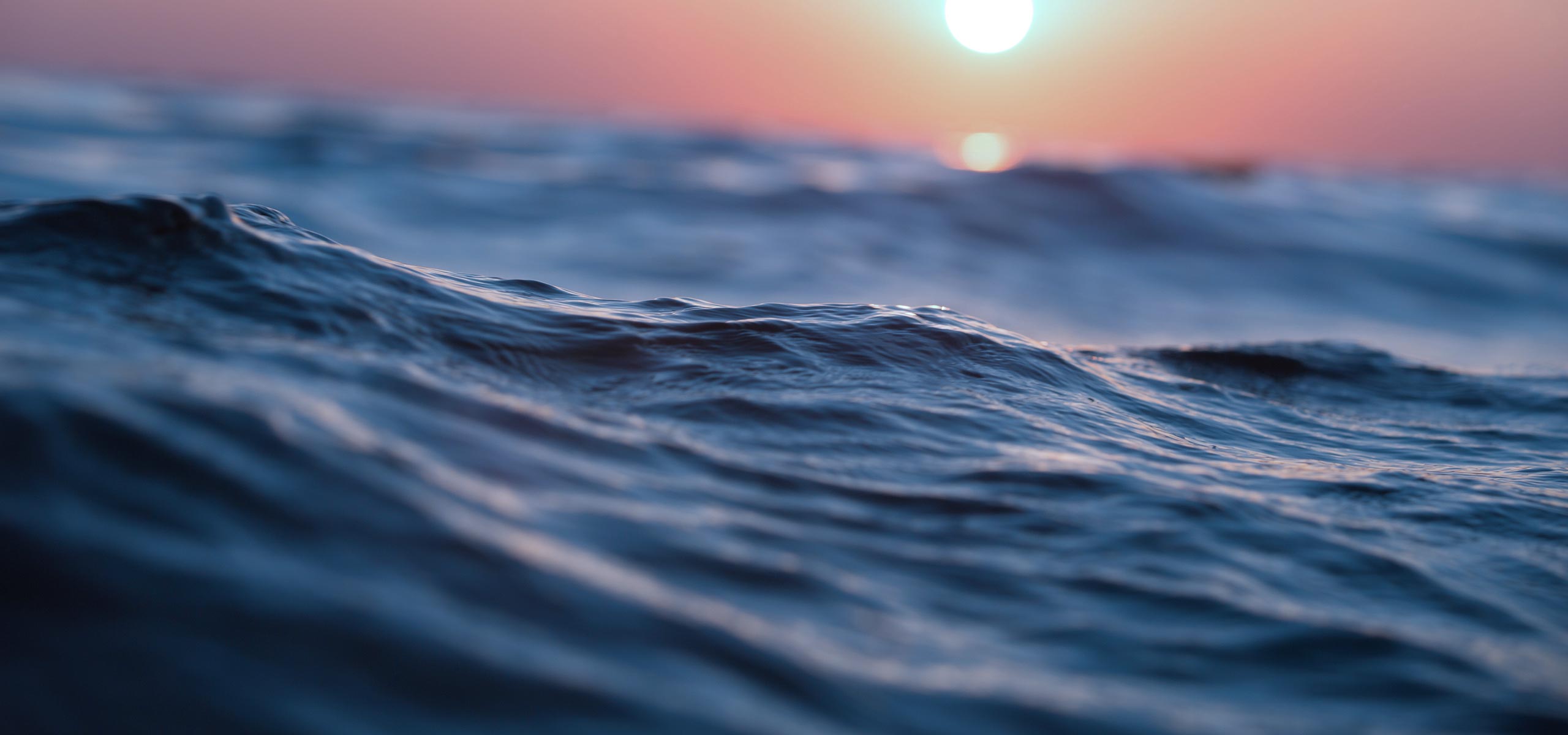
- Remarkable patterns emerge alongside a lucky wave, shaping destinies and coastal beauty
- The Science of Wave Formation and Unusual Patterns
- The Role of Underwater Topography
- Cultural Significance and Folklore
- Folklore and Traditional Practices
- Impact on Marine Ecosystems
- Wave Action and Coral Reef Health
- The Allure of Wave Watching and Surfing
- Future Considerations: Predicting and Adapting to Changing Wave Patterns
Remarkable patterns emerge alongside a lucky wave, shaping destinies and coastal beauty
The ocean’s rhythm is a constant source of fascination, a dance of energy and motion that has captivated humanity for millennia. Among the myriad patterns observed in the sea, the appearance of a particularly vibrant and sustained wave – a truly – often evokes a sense of wonder and even anticipation. This is not merely a visual spectacle; coastal communities and seasoned observers often associate such phenomena with shifts in currents, changes in marine life activity, and a general feeling of positive change on the horizon.
The concept of a ‘lucky wave’ isn’t simply rooted in folklore, though. There is a basis in understanding the complex interactions of oceanographic forces that can create particularly beautiful or unusually powerful waves. Understanding the science behind these occurrences can add another layer of appreciation to the aesthetic experience. Consider the confluence of swell direction, tidal influences, and localized seabed features; all these elements contribute to the formation of the waves we see, and sometimes, those that feel auspicious.
The Science of Wave Formation and Unusual Patterns
Wave formation is a complex process, driven primarily by wind energy transferring to the water’s surface. The strength and duration of the wind, as well as the fetch (the distance over which the wind blows), determine the size and energy of the resulting waves. However, even with consistent wind conditions, the ocean rarely presents a uniform wave field. Variations in seabed topography, underwater canyons, and even the presence of coral reefs can dramatically alter wave behavior, causing them to refract, reflect, or even converge, producing areas of heightened wave activity. These variations are often precursors to the formation of seemingly ‘lucky’ waves, where the conditions align to create something truly exceptional.
Furthermore, the interaction between waves and currents is crucial. When waves travel against a current, their energy is compressed, resulting in steeper, more powerful waves. Conversely, when waves travel with a current, they are stretched and flattened. These interactions can create localized areas of wave amplification, contributing to the formation of unusual wave patterns. The influence of El Niño and La Niña, large-scale climate patterns, also significantly affect wave climates around the globe, contributing to both increased and decreased wave activity in different regions.
The Role of Underwater Topography
The ocean floor isn’t a smooth, flat surface. It’s a landscape of mountains, valleys, and plains, largely unseen but profoundly influential. Submerged ridges can focus wave energy, causing waves to build in height and power. Underwater canyons can channel waves, creating persistent surf breaks even in relatively sheltered areas. The shape of the coastline also plays a role; headlands and bays can concentrate or disperse wave energy, leading to localized variations in wave height and direction. These topographical features are crucial for understanding why certain locations consistently produce exceptional waves.
| Submerged Ridge | Focuses wave energy, increasing height and power. |
| Underwater Canyon | Channels waves, creating consistent surf breaks. |
| Headland | Concentrates wave energy, resulting in steeper waves. |
| Bay | Disperses wave energy, reducing wave height. |
Understanding these interactions is paramount for predicting wave behavior and interpreting the significance of phenomena like the emergence of a particularly striking wave formation. It’s a field of ongoing research, with scientists continually refining their models and gaining a deeper understanding of the ocean’s complex dynamics.
Cultural Significance and Folklore
Across numerous coastal cultures, waves hold deep symbolic meaning. They represent power, change, and the unpredictable nature of life. A particularly striking or unusual wave – a ‘lucky wave’ in the cultural sense – often becomes imbued with spiritual significance. These beliefs vary widely but often connect the wave to concepts of good fortune, new beginnings, and the presence of protective spirits. In some Polynesian cultures, for example, large, well-formed waves are seen as gifts from the gods, signifying abundance and prosperity. Historically, favorable wave conditions were critical for successful fishing expeditions and safe voyages, further solidifying the association between waves and good luck.
The interpretation of these waves isn’t always positive. In some traditions, unusual wave activity can be seen as a warning of impending storms or a sign of displeasure from the sea gods. This duality reflects the ocean's dual nature – both a source of life and a force of destruction. The ability to accurately read the ocean’s signs, including the formation and behavior of waves, was often a crucial skill for survival in coastal communities.
Folklore and Traditional Practices
Many coastal communities have developed unique traditions and practices centered around waves. These may involve rituals to appease the sea spirits, ceremonies to ensure safe voyages, or specific ways of interpreting wave patterns to predict weather conditions. For example, some fishermen believe that the direction of the wave crests can indicate the direction of future storms, while others look for specific types of foam or spray to assess the likelihood of a successful catch. These practices, passed down through generations, demonstrate a profound connection to the ocean and a deep understanding of its rhythms.
- In Hawaiian culture, waves are considered sacred and are deeply connected to spirituality.
- Japanese fishermen traditionally observe wave patterns to predict fish movements and weather changes.
- Coastal communities in the Philippines often hold ceremonies to honor the sea spirits before embarking on fishing trips.
- Indigenous Australians have Dreamtime stories that explain the origin and significance of waves.
These cultural adaptations demonstrate how humans have consistently sought to understand and interact with the ocean, assigning meaning to its power and beauty and incorporating it into their daily lives.
Impact on Marine Ecosystems
Waves aren’t merely a physical force; they also play a vital role in shaping marine ecosystems. Wave action mixes the water column, bringing nutrients from the depths to the surface, fueling phytoplankton growth, the base of the marine food web. Waves also distribute oxygen throughout the water, creating a more habitable environment for marine life. Furthermore, wave energy shapes coastal habitats, creating intertidal zones, sandy beaches, and rocky shores, each supporting a unique array of species. The intensity and frequency of wave action significantly influence the distribution and abundance of marine organisms.
The emergence of a ‘lucky wave’ – a particularly powerful or unusual wave – can have both positive and negative impacts on ecosystems. Increased wave energy can disrupt sediment, potentially damaging sensitive habitats like coral reefs or seagrass beds. However, it can also create opportunities for new species to colonize areas and stimulate nutrient cycling. The long-term effects of these events are complex and often depend on the specific characteristics of the ecosystem and the nature of the wave disturbance.
Wave Action and Coral Reef Health
Coral reefs are particularly vulnerable to wave damage, but they also rely on wave action for certain processes. Moderate wave action can remove sediment that would otherwise smother corals, and it also helps to deliver oxygen and nutrients. However, extreme wave events, such as those associated with hurricanes or tsunamis, can cause widespread coral breakage and mortality. The ability of coral reefs to recover from these disturbances depends on factors such as water quality, temperature, and the presence of herbivorous fish that help to control algal growth. Focusing on reef resilience is crucial to maintaining these essential ecosystems.
- Increased wave action delivers oxygen and nutrients to coral reefs.
- Moderate wave action helps remove sediment that can smother corals.
- Extreme wave events can cause significant coral damage.
- Coral reef recovery depends on water quality and herbivore abundance.
Studying the interactions between waves and marine ecosystems is essential for developing effective conservation strategies and mitigating the impacts of climate change and human activities.
The Allure of Wave Watching and Surfing
The mesmerizing beauty of waves has long captivated humans, inspiring activities like wave watching and surfing. Wave watching, simply observing the ocean and appreciating its power and grace, is a popular pastime for many. The rhythmic crashing of waves can be incredibly therapeutic, offering a sense of calm and connection to nature. Surfing, on the other hand, is a more active pursuit, challenging surfers to harness the energy of waves and ride them with skill and precision. A perfectly formed is a surfer’s dream, providing an exhilarating and unforgettable experience.
The pursuit of the perfect wave has led to the development of a vibrant surfing culture, with its own language, fashion, and lifestyle. Surfing competitions are held around the world, showcasing the athleticism and artistry of the world's best surfers. The economic impact of surfing is also significant, supporting tourism and local businesses in coastal communities. This sustained engagement with wave energy fosters marine appreciation and awareness.
Future Considerations: Predicting and Adapting to Changing Wave Patterns
As climate change continues to reshape our planet, wave patterns are also changing. Rising sea levels, increased storm intensity, and altered wind patterns are all contributing to shifts in wave height, frequency, and direction. Understanding these changes and developing strategies to adapt to them is crucial for protecting coastal communities and marine ecosystems. Advanced modeling techniques, coupled with long-term monitoring efforts, are essential for predicting future wave patterns and assessing their potential impacts. This necessitates international collaboration and data sharing, along with investment in research and infrastructure.
Furthermore, nature-based solutions, such as the restoration of mangrove forests and coral reefs, can help to buffer coastlines from wave energy and mitigate the impacts of erosion and flooding. Investing in resilient infrastructure and implementing sustainable coastal management practices are also essential for ensuring the long-term health and well-being of coastal communities. Looking ahead, anticipating and preparing for changes in wave dynamics will be vital for fostering sustainable interactions with the ocean and preserving its invaluable resources for generations to come.